Hub 05
The part everybody else stops writing
What goes wrong on night one, and how to be the household where it does not.

By Scooter M. · published September 1, 2026
I'm not an astronomer and I don't have a lab. I'm someone who's genuinely into this — I read the manuals, compile the published specs, and do the arithmetic the box doesn't do for you. No lab coat. How we pick.
We read thirteen of the sites that rank for kids' telescopes. Every one of them is good at telling you what to buy. Not one of them addresses what happens next — the evening the box is opened, the tripod is half assembled, it is cold, the child is excited, and nothing is visible through the eyepiece.
That is not a small gap. *Why can't I see anything through my telescope* has half a dozen distinct variants in Google's own autocomplete, including brand-specific ones. Those are real people, on a real night, with a present that is currently failing. This hub is for them, and it is why the rest of the site is worth trusting.
Start here if the telescope is already open
Nine times out of ten nothing is broken. The usual causes, in order: the finderscope was never aligned with the main tube, the highest-power eyepiece went in first, the telescope is pointed at something too low in the sky, or nobody waited the twenty minutes eyes need to adapt to the dark. All four are fixable tonight.
- Why can't I see anything through my telescope? — the ranked causes, most common first, each with the fix. Start here if the gift has already landed.
- Your first night with a telescope — the sequence to follow so the above never happens.
- Telescope setup checklist — do this indoors, in daylight, before the child ever sees it.
Read these before you buy
The pre-purchase questions in this category are mostly a single question wearing different clothes: *am I about to waste my money?* That is a completely reasonable thing to worry about, given what the packaging in this category promises.
- Are kids' telescopes worth it? — a direct verdict, then the honest nuance about when they are not.
- What you can actually see — the single most useful page here. Manage this expectation before the present is opened, not after.
- How much to spend — what each price band genuinely buys, with the arithmetic.
- What age for a telescope? — a readiness table rather than a number, because readiness is not a birthday.
- Telescope, binoculars or projector? — the top-of-funnel decision, with a winner named for each scenario.
- The stargazing night kit — the cheap things that make the difference, most of which are not optical at all.
How these guides are written
Every guide here is written as *here is what goes wrong and why*, never as *when I tested this scope*. We have not tested these products and we say so on every page. What we can honestly claim is knowledge of the problem space: the failure modes are documented, reproducible, and the same on every telescope ever sold to a beginner.
Where a guide makes a factual claim beyond a published specification, it carries a Sources section and the source is linked. Where we do not know something, the guide says we do not know rather than offering a plausible guess. Our full method is on the methodology page, including the arithmetic we run and what we deliberately do not do.
These guides also link back up to the product pages they support, and that is deliberate: a pick without the guide that de-risks it is exactly the content we are trying to beat. If a guide sends you to a telescope, the telescope page will send you back to the guide, because you will need it at about 9pm on a Tuesday.
Everything in this section
11 pages under guides
Best for the youngest
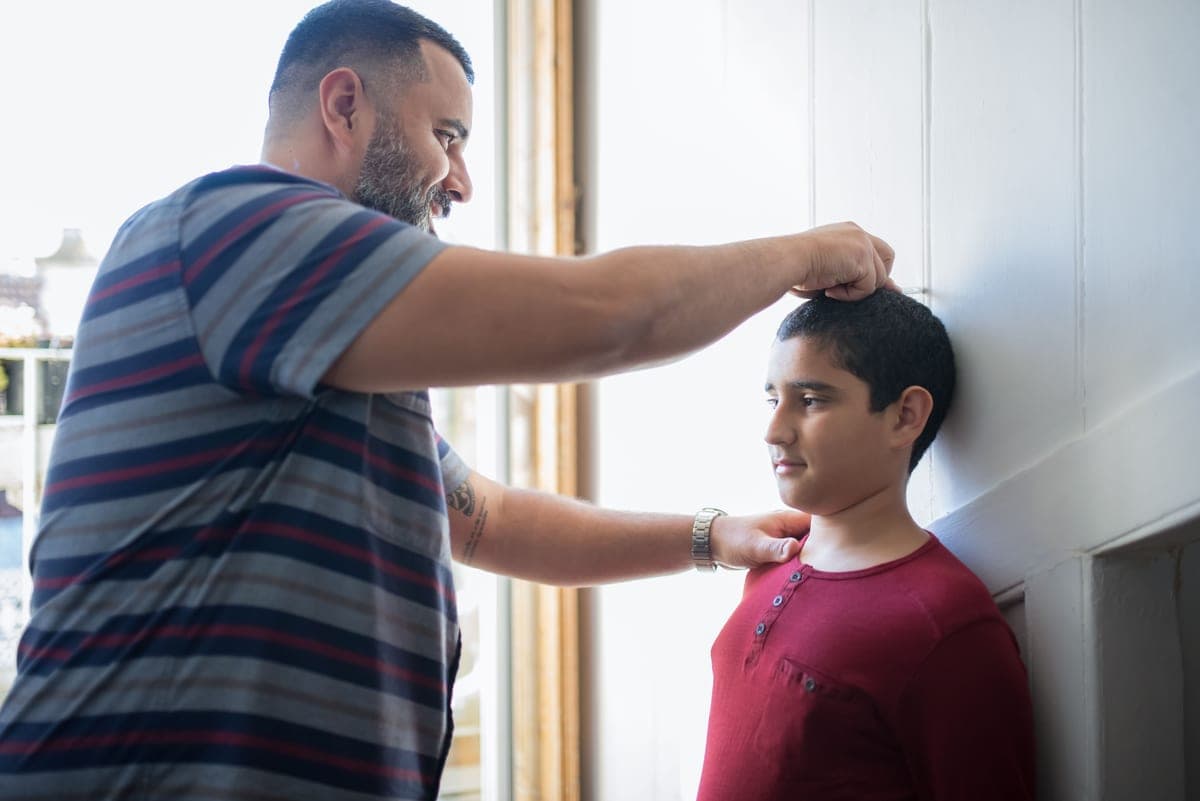
What age is a telescope right for?
What a child can genuinely do at five, seven, nine and eleven, and what to buy at each stage instead of guessing.
Top pick: Celestron Celestron Kids 4x30
$9.95 on Amazon#ad How we’re funded · price as of October 18, 2026
Best under $30
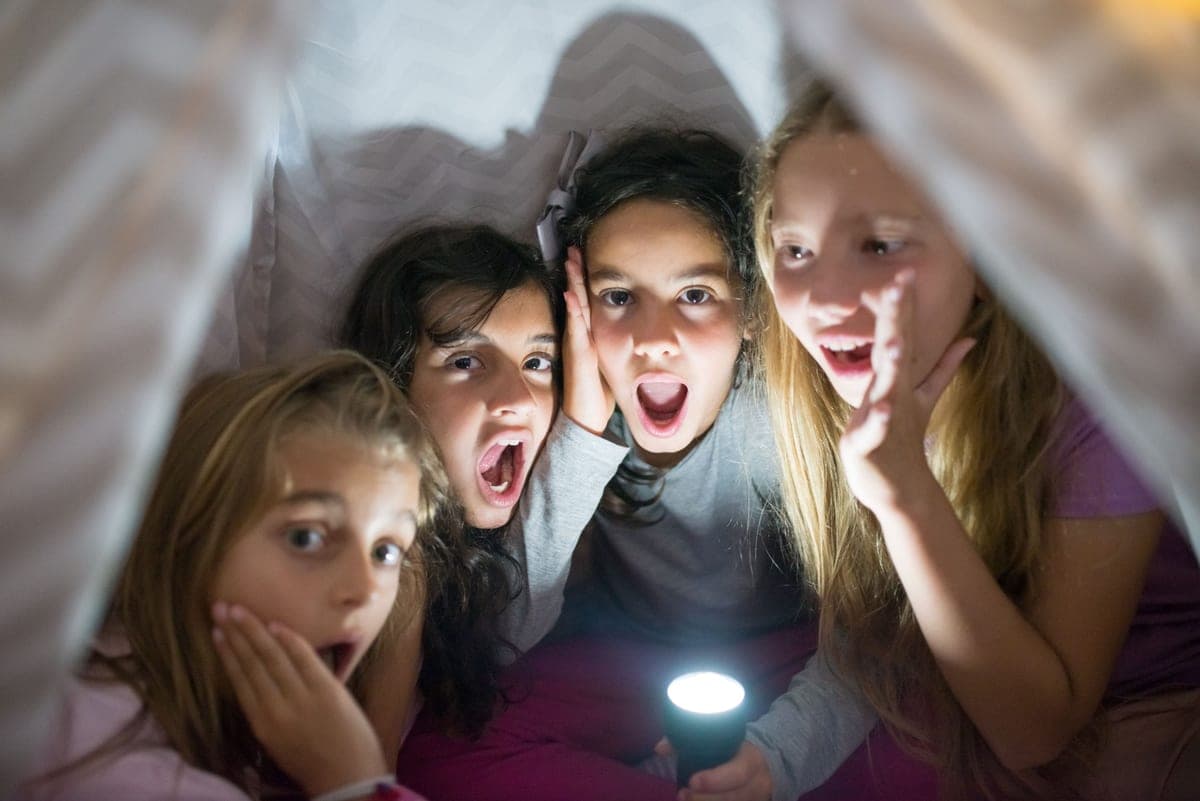
The stargazing night kit
A red torch does more for what a child sees than doubling the aperture. The full kit, in order of how much it changes.
Top pick: Celestron Night Vision Red Headlamp
Guide
Stargazing apps for kids, used properly
A planetarium app closes the biggest skill gap in stargazing and wrecks dark adaptation doing it. How to get one without the other.
Top pick: Celestron Night Vision Red Headlamp






Questions people actually ask
- Why can't my child see anything through their new telescope?
- Almost always the finderscope is not aligned with the main tube, or the highest-power eyepiece went in first. Both take five minutes to fix. Full ranked list on why can't I see anything.
- How do you use a telescope for the first time?
- Assemble it indoors in daylight, align the finder on a distant object, start with the longest eyepiece, and point it at the Moon. The full sequence is on your first night with a telescope.
- How old should a child be to use a telescope?
- Around five with an adult driving, around seven to use one with help, around nine to set one up alone. Readiness is about strength and patience rather than age — see what age for a telescope.
The rest of the site
Other sections
- Telescopes
Four age bands, two budget gates, and the honest arithmetic behind every pick.
- Star Projectors
The split nobody explains: real star fields versus colored light shows.
- Binoculars
Cheaper, easier, and they work on night one. The case for starting here.
- Gifts
The same picks, re-sorted for a person shopping for a present rather than a telescope.