Hub 02
Star projectors, and which ones are actually astronomy
The split nobody explains: real star fields versus colored light shows.
By Scooter M. · published September 1, 2026
I'm not an astronomer and I don't have a lab. I'm someone who's genuinely into this — I read the manuals, compile the published specs, and do the arithmetic the box doesn't do for you. No lab coat. How we pick.
How this is funded. Lens & Lightyear earns a commission when you buy through a link on this page, at no extra cost to you. It does not change which products we pick or what we say about them — every card below carries a real reason to skip it. Prices are pulled live and were last verified October 18, 2026. Full disclosure.
If you only read one line
Our top pick here is the Sega Toys Homestar Flux
The number that separates this from every colorful nebula projector is 60,000 — because those are cataloged stars in their real positions, not a decorative pattern. It means a child can find Orion on their ceiling and then find the same Orion out of the window, which is the only thing a projector can do that genuinely helps with a telescope.
#ad How we’re funded · price as of October 18, 2026
Star projectors are the most misunderstood gift in this whole category, and the confusion is worth two minutes because it decides whether you spend $30 or $200 and whether the child gets what they were hoping for.
There are two completely different products with the same name
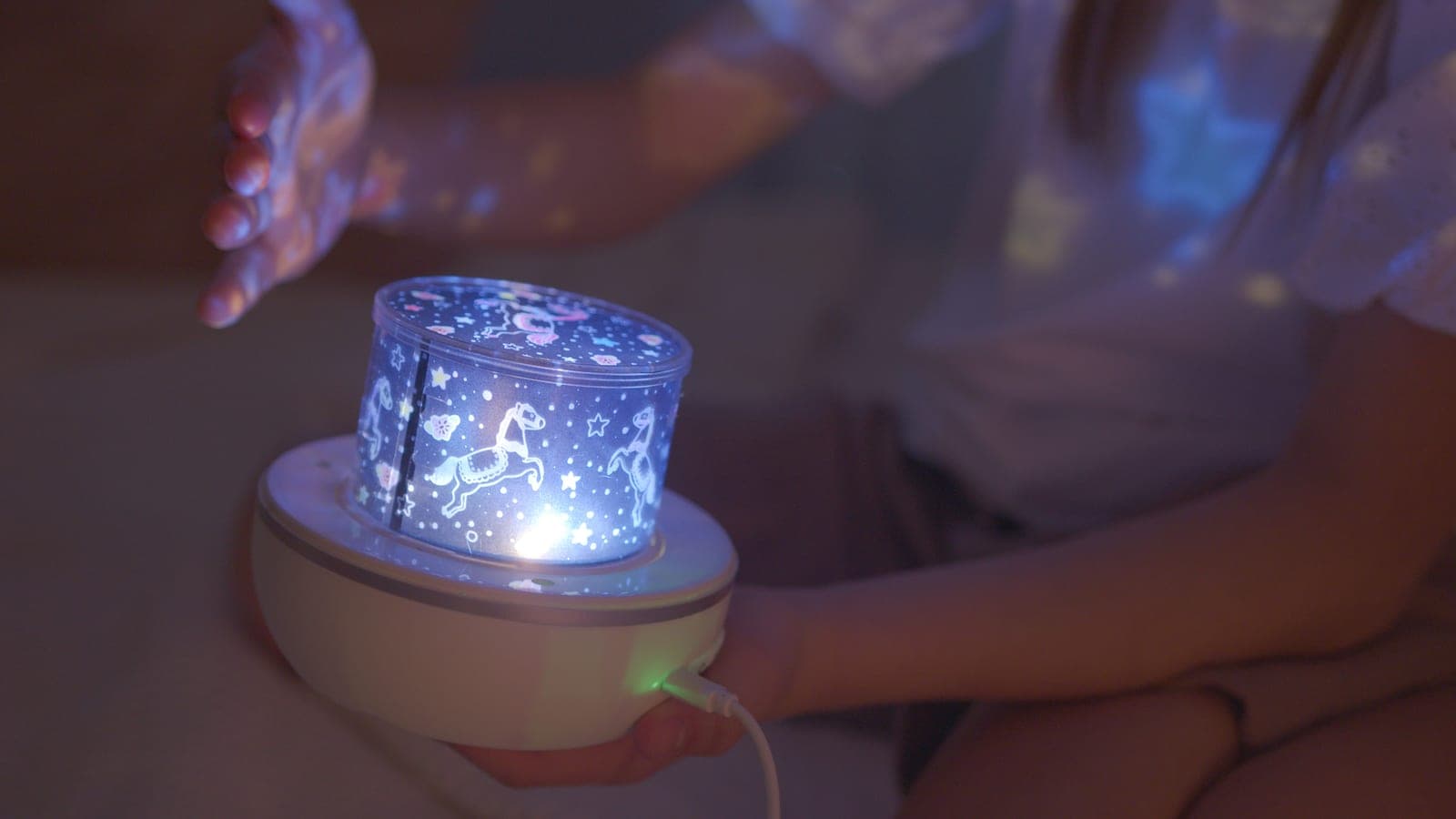
One kind projects real stars in their real positions from an optical disc, so a child can find Orion on the ceiling and then find the same Orion out of the window. The other projects moving colored nebula patterns from LEDs and lasers. Both are sold as star projectors. Only the first one teaches anything about the sky.
Adults buy these for their own rooms as often as for a child's, and the grown-up version of this decision has different requirements. There is a middle path too, and the Pococo Galaxy is it — swappable discs that run a real star field one night and a nebula the next. Neither is wrong. A galaxy projector that fills a room with drifting purple light is a genuinely lovely thing to fall asleep under, and children love them. But if you buy one expecting it to support a growing interest in astronomy, it will not, and nothing on the box tells you that. Our accurate versus decorative comparison is the page to read before you choose.
| Optical planetarium | Decorative galaxy projector | |
|---|---|---|
| What it shows | Cataloged stars in real positions | Patterns designed to look good |
| How | Light through an etched glass or film disc | LEDs, lasers and a spinning diffuser |
| Teaches the sky | Yes — constellations match reality | No — the stars are decorative |
| Color | Mostly white points, like the real sky | Nebula washes, aurora, color cycling |
| Typical extras | Interchangeable discs, rotation, timer | App, speaker, voice assistant, scenes |
| Who it suits | A child who is genuinely into astronomy | A child who wants an amazing bedroom |
What decides the price
In the optical planetarium half, you are paying for the disc and the lens. A cheap unit projects a few hundred blurry points; a good one projects tens of thousands of cataloged stars sharply enough that constellations are recognizable across a whole ceiling. That difference is real and it is most of the cost.
In the decorative half you are paying for features, not optics: app control, scene modes, built-in speakers, voice assistants, brightness. A $30 unit and a $150 unit both project a pattern; the expensive one projects a brighter, sharper, more controllable pattern over a larger area. Neither is more astronomically accurate than the other, because neither is trying to be.
Age matters here more than it does for telescopes
A projector is one of very few genuinely good astronomy gifts for a child too young for optics. A two-year-old cannot use a telescope in any meaningful sense, but they can absolutely lie under a ceiling full of stars — see projectors for toddlers for what to look for, including the safety points that matter at that age, and the age-by-age picks once they are past four.
At the other end, an eleven-year-old who already has a telescope gets real value from an accurate planetarium: it is how you learn constellations on a cloudy Tuesday so you can find them on a clear Friday. That is the honest case for spending more, and it is the only case we make for it.
One thing a projector cannot do is replace a telescope, and it is worth being blunt about that because the price similarity invites the substitution. A projector shows a picture of the sky. A telescope shows the actual sky, live, with the actual light that left Jupiter forty minutes ago. Children notice the difference immediately. We lay out the choice on star projector versus telescope.
If the budget is genuinely tight, the sub-$50 shelf is where most of this category lives and it is a minefield of identical-looking units with invented specifications. Our under $50 page covers what you can reasonably expect at that price and what claims to ignore.
Everything in this section
14 pages under star projectors
Best accurate projector
Accurate or decorative? The star projector split nobody explains
The single distinction that decides whether a star projector supports a child's interest in astronomy or is simply a very nice bedroom light.
Top pick: Sega Toys Homestar Flux
$259.00 on Amazon#ad How we’re funded · price as of October 18, 2026
Best for toddlers
The best star projector for a toddler's room
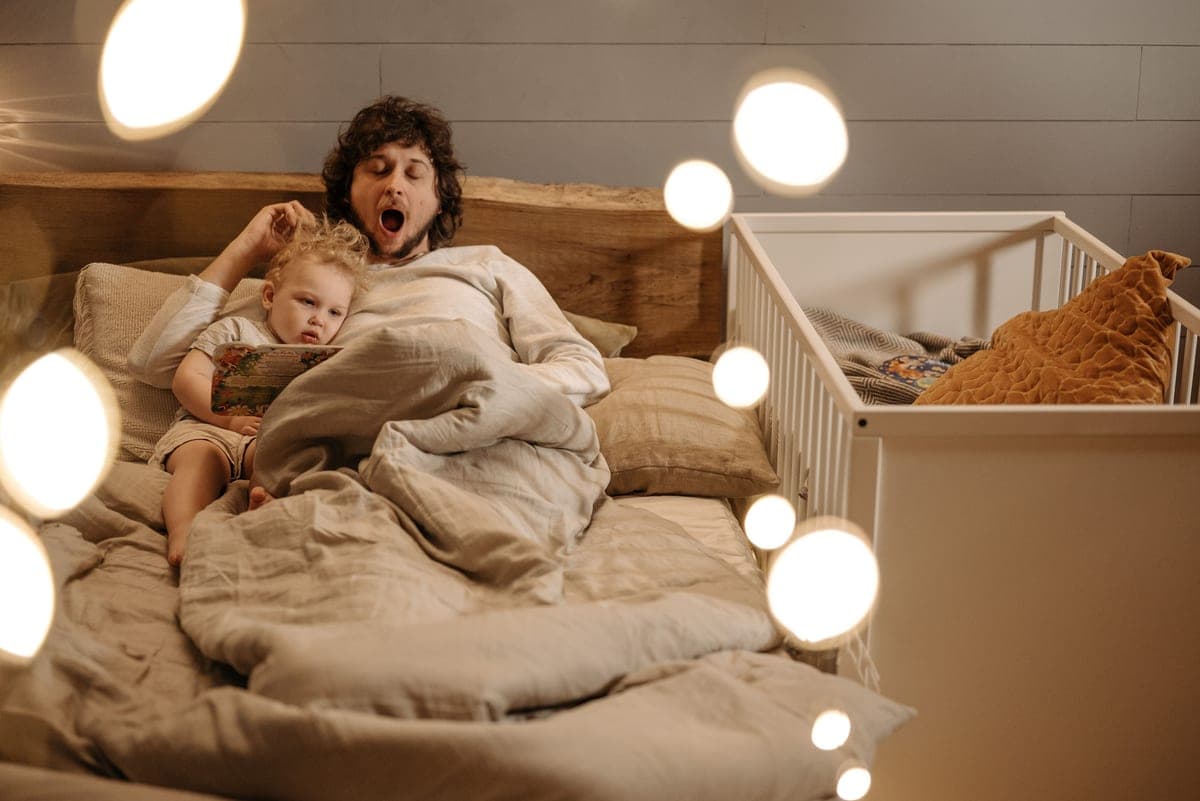
For a very young child the useful specifications are noise level, dimming and cable placement. Star count barely matters. What to actually look for.
Top pick: Govee Star Light Projector with Nebula Effect
Best under $50
The best star projector under $50
The sub-$50 shelf is where most of this category lives and where the specifications get least reliable. What to check and what to ignore.
Top pick: Govee Star Light Projector with Nebula Effect

04
Sega Toys Homestar Flux: the serious one
The flagship optical planetarium. What over 60,000 cataloged stars looks like on a ceiling, and why some children find it disappointing.
Top pick: Sega Toys Homestar Flux
$259.00 on Amazon#ad How we’re funded · price as of October 18, 2026

07
Pococo Galaxy Projector review
Swappable optical discs, a focus wheel small hands can use, and deliberately no app. The middle option between an accurate planetarium and a light show.
Top pick: Pococo Galaxy Projector
$104.99 on Amazon#ad How we’re funded · price as of October 18, 2026
Best for a bedroom
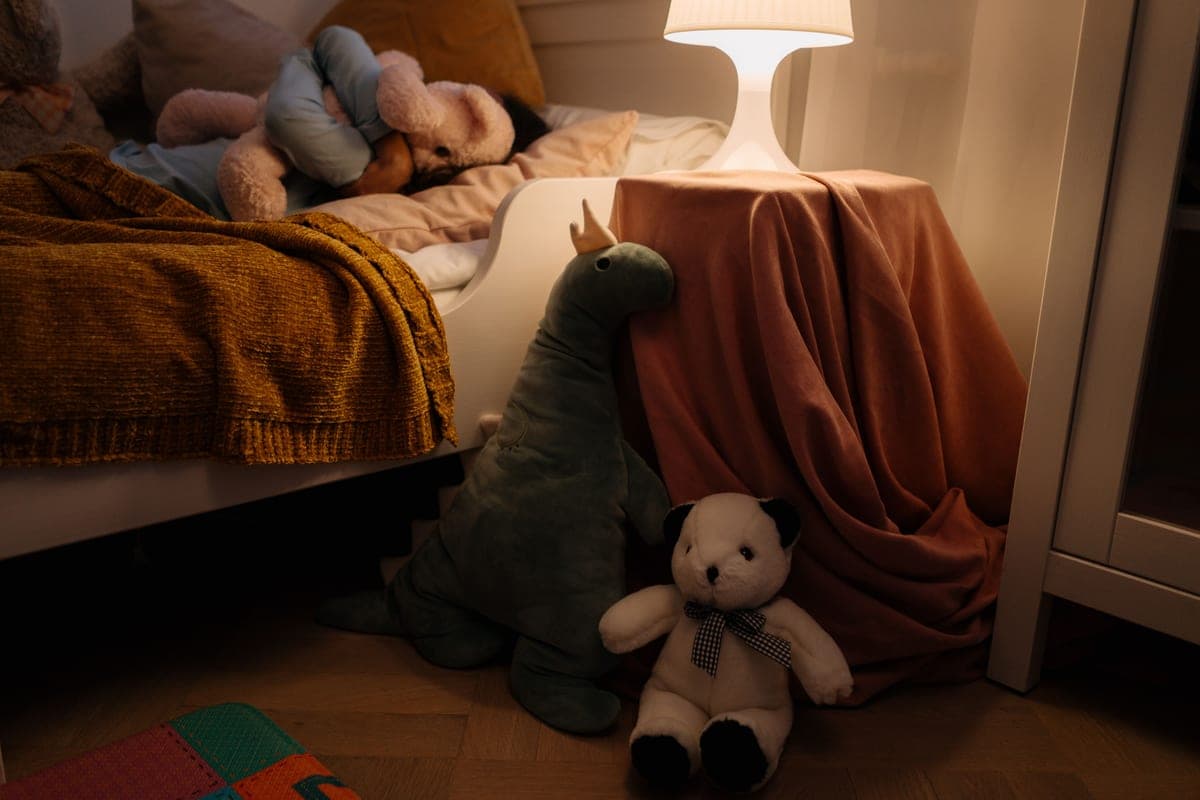
The best star projector for a bedroom
Throw distance, real darkness and a sleep timer decide whether a projector runs nightly or twice. The three that fit an actual bedroom, and what each gives up.
Top pick: Pococo Galaxy Projector
$104.99 on Amazon#ad How we’re funded · price as of October 18, 2026

Best for grown-up rooms
The best star projector for adults
An accurate home planetarium and a colored nebula lamp are not the same purchase. The split explained, with three picks judged on what an adult room actually needs.
Top pick: Sega Toys Homestar Flux
$259.00 on Amazon#ad How we’re funded · price as of October 18, 2026
52
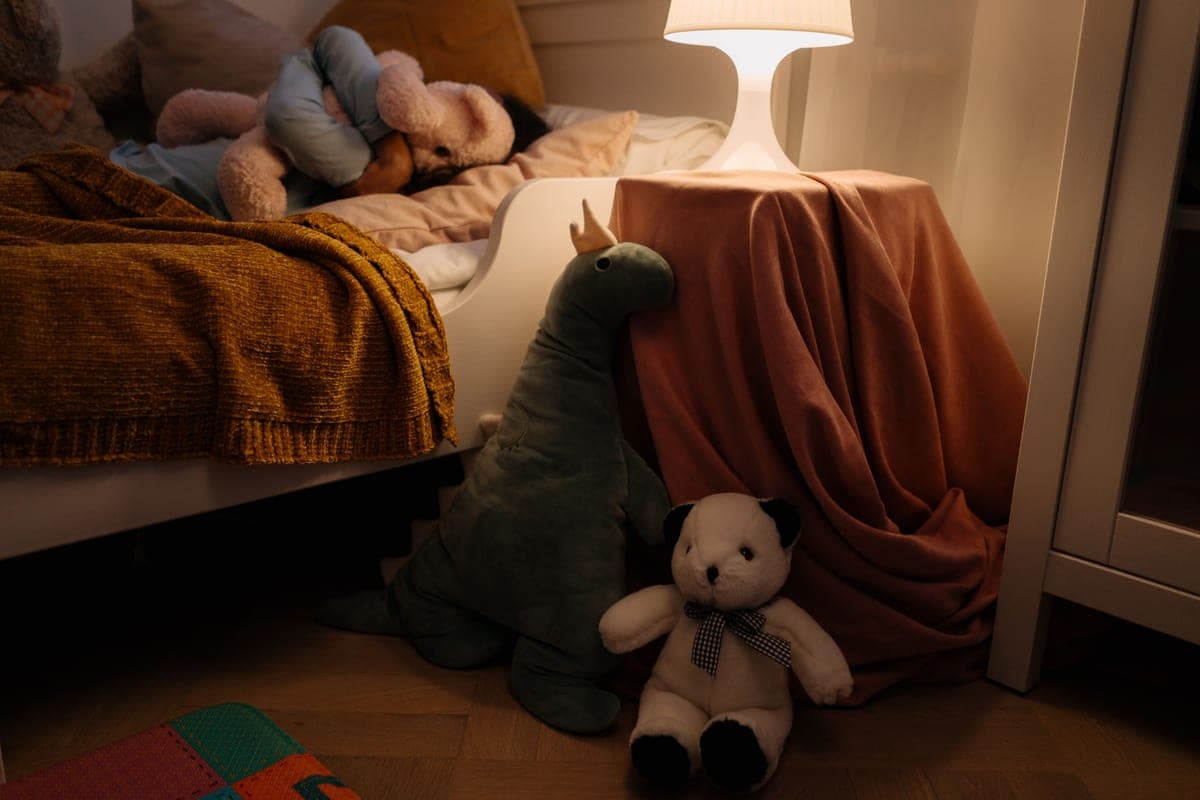
Are star projectors worth it?
Worth it as room atmosphere and a bedtime ritual; not worth it as astronomy teaching. The honest answer on boredom, plus four picks matched to what you actually want from it.
Top pick: Govee Star Light Projector with Nebula Effect




Questions people actually ask
- What is the best star projector for kids?
- It depends which of the two products you actually want. For real constellations, an optical planetarium with a disc system. For a beautiful bedroom, a decorative galaxy projector. We split them explicitly on accurate versus decorative.
- What is a galaxy projector?
- A light that projects moving colored nebula patterns, usually with a laser star field over the top. It is room decoration rather than astronomy — the star positions are not real. That is not a criticism, it is just what it is.
- Are star projectors good for babies and toddlers?
- The quiet, dimmable, non-laser ones can be, with supervision. Brightness, noise and cable placement matter far more than star count at that age — see projectors for toddlers.
- Are galaxy projectors worth it?
- As a bedroom light, often yes. As an astronomy gift, only if you have chosen an optical planetarium rather than a decorative one. Buying the wrong half of the category is the single most common disappointment here.
The rest of the site
Other sections
- Telescopes
Four age bands, two budget gates, and the honest arithmetic behind every pick.
- Binoculars
Cheaper, easier, and they work on night one. The case for starting here.
- Gifts
The same picks, re-sorted for a person shopping for a present rather than a telescope.
- Guides
What goes wrong on night one, and how to be the household where it does not.