Hub 01
Telescopes for kids, sorted by the age of the kid
Four age bands, two budget gates, and the honest arithmetic behind every pick.
By Scooter M. · published September 1, 2026
I'm not an astronomer and I don't have a lab. I'm someone who's genuinely into this — I read the manuals, compile the published specs, and do the arithmetic the box doesn't do for you. No lab coat. How we pick.
How this is funded. Lens & Lightyear earns a commission when you buy through a link on this page, at no extra cost to you. It does not change which products we pick or what we say about them — every card below carries a real reason to skip it. Prices are pulled live and were last verified October 18, 2026. Full disclosure.
If you only read one line
Our top pick here is the Celestron StarSense Explorer LT 70AZ
700mm over 25mm and 10mm gives 28x and 70x; the 2x Barlow doubles those to 56x and 140x. Celestron's published ceiling is 165x, so even the Barlowed 10mm stays legal — a rare box where every supplied combination is inside the optics' honest limit. At f/10 the images are contrasty and easy to focus, which is exactly what an inexperienced pair of hands needs.
Almost every telescope guide on the internet is organized by the telescope. Refractors here, reflectors there, a paragraph about focal ratios, and somewhere near the bottom a note that children might like the small one. That order makes sense if you already know what you are shopping for. It is useless if you are standing in a kitchen with a birthday coming up and one fact in your head: she is turning eight.
If you would rather start from the instrument than the birthday, the best beginner telescope sets out the four criteria first. Otherwise this hub is organized by the age of the child. Not because age determines optics — it does not — but because age determines the three things that actually decide whether a telescope gets used twice: how much the child can lift, how much they can set up without an adult standing over them, and how long they will stay interested when the first thing they point it at is a slightly blurry dot.
Start here: what age changes, and what it does not
Age does not change the physics. A 70mm lens gathers the same light for a five-year-old as for a fifteen-year-old. What age changes is everything around the lens: weight, assembly, patience, and whether the child can find anything without help. That is why our bands are built around capability, not aperture.
A five-year-old and an eleven-year-old want the same thing — to see something real — but they need completely different hardware to get there. The five-year-old needs something that works in ten seconds, survives being dropped, and does not require reading. The eleven-year-old can handle a tripod, a star chart and a genuinely dark garden, and will be actively insulted by a toy.
| Age band | What they can do unaided | What that means for the telescope |
|---|---|---|
| Ages 5-6 | Look through an eyepiece someone else has aimed. Very little else. | Tabletop, no assembly, low magnification, nothing to lose. An adult drives. |
| Ages 7-8 | Carry the scope, point it roughly, turn a focuser, lose patience after 20 minutes. | Light enough to carry themselves. A red dot finder rather than a finderscope. |
| Ages 9-10 | Set up alone, find the Moon and one planet, read a chart with help. | A real tripod, more aperture, and something they will not outgrow in a year. |
| Ages 11-12 | Everything above, plus genuine research and genuine frustration tolerance. | Aperture is now the limiting factor. Buy glass, not features. |
The bands overlap deliberately. A patient seven-year-old is often better served by the 9-10 page, and a reluctant ten-year-old by the 7-8 one.
The number the box does not want you to do
Here is the single most useful thing on this hub, and it takes one line of arithmetic. Every telescope has a maximum useful magnification set by its aperture — roughly two times the aperture in millimeters. Past that you are not seeing more detail, you are seeing the same detail bigger and blurrier.
Now look at what gets printed on the box. A common 50mm beginner refractor advertises magnifications in the hundreds. Its manufacturer publishes a highest useful magnification of 118x for that same telescope, on its own website. The eyepiece and Barlow in the box will take it to roughly 450x. That is not a feature; it is four times more magnification than the optics can support, sold as a headline number. We work this out in full on the PowerSeeker 50AZ and on our methodology page. Its five-inch sibling, the PowerSeeker 127EQ, ships a Barlow reaching 750x against a published 300x.
What decides the price
Between roughly $50 and $300 — where almost every gift telescope sits — the money goes into three things, in this order.
- Aperture. The width of the front lens or mirror. It sets how much light you collect and therefore how much you can actually see. Light gathering scales with the square of aperture, so going from 70mm to 102mm roughly doubles it, and 70mm to 130mm roughly triples it. The most aperture we recommend for a child with the finding problem solved is the StarSense Explorer 114mm; at 130mm the telescopes become an adult's to carry, and the mirror figure starts to matter — see the AstroMaster 130EQ. The most aperture we review at any price is the 150mm Heritage 150.
- The mount. The most under-rated line item in the category and the most common reason a telescope ends up in a cupboard. A wobbly tripod means every touch of the focuser sends the target out of view, which a child reads as the telescope being broken.
- Finding things. A plain red dot finder is free and works once you have practiced. A motorized GoTo mount like the Virtuoso GTi 150P goes further and keeps the object centered as the sky turns. A phone-guided system costs real money and removes the single biggest source of first-night failure — and if an adult already knows the sky, the Inspire 100AZ puts the same optics as our guided pick into a lighter, cheaper package without it. Whether that is worth it depends entirely on whether an adult in the house already knows the sky — and if you have decided it is, which StarSense Explorer to buy compares them on weight and aperture, down to the DX 102AZ and the 130mm DX 130AZ at the top of the range.
Notice what is not on that list: the number of eyepieces, the advertised magnification — a Barlow lens is worth buying only when the arithmetic says so — the presence of a smartphone adapter, and the word *professional* anywhere on the packaging. Those are the things the cheapest telescopes compete on precisely because they are cheap to add.
The mistake almost every first-time buyer makes
They buy for the child the present is *about* rather than the child who will use it. A ten-year-old who has mentioned space twice is not necessarily going to spend February evenings outdoors in the cold. The telescope that gets used is the one that is easy enough to be used casually — from a bedroom window, on a driveway, for ten minutes, on a school night.
That is also why we take binoculars seriously as a first instrument and say so, even though a telescope is the higher-value recommendation for us. A pair of 7x50s costs less than the cheapest usable telescope, works the second it comes out of the box, and shows a child the Moon's craters and four moons of Jupiter on night one. For a lot of families that is the honest answer, and we would rather say it than sell you the wrong thing.
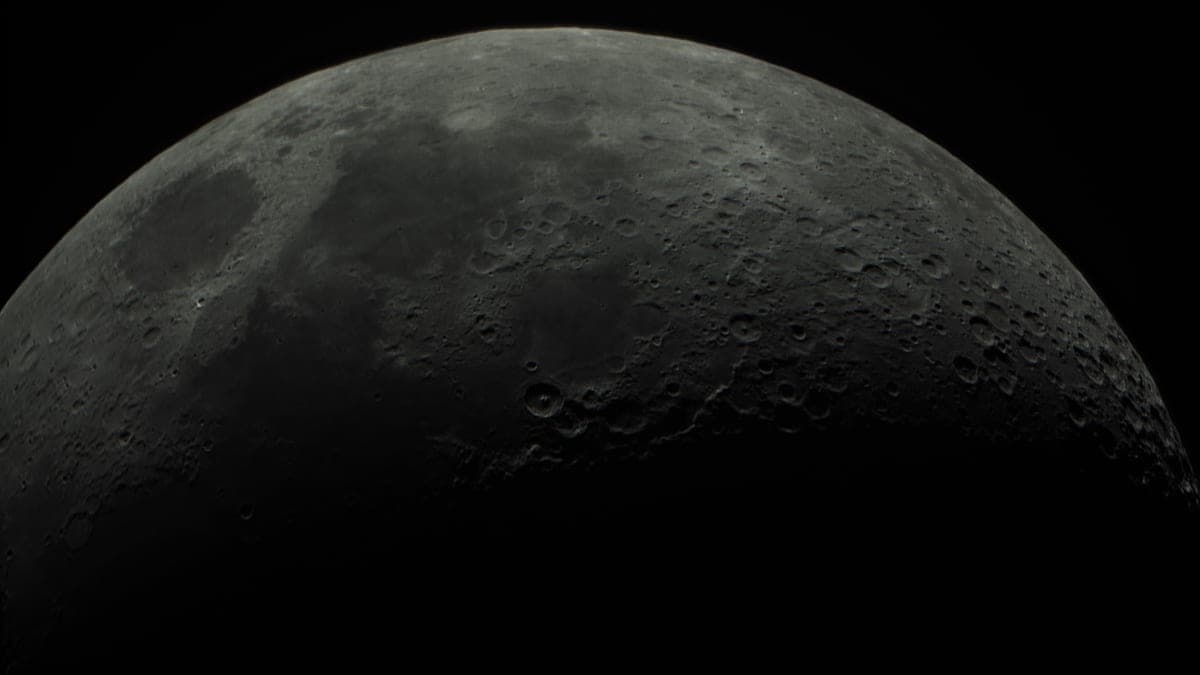
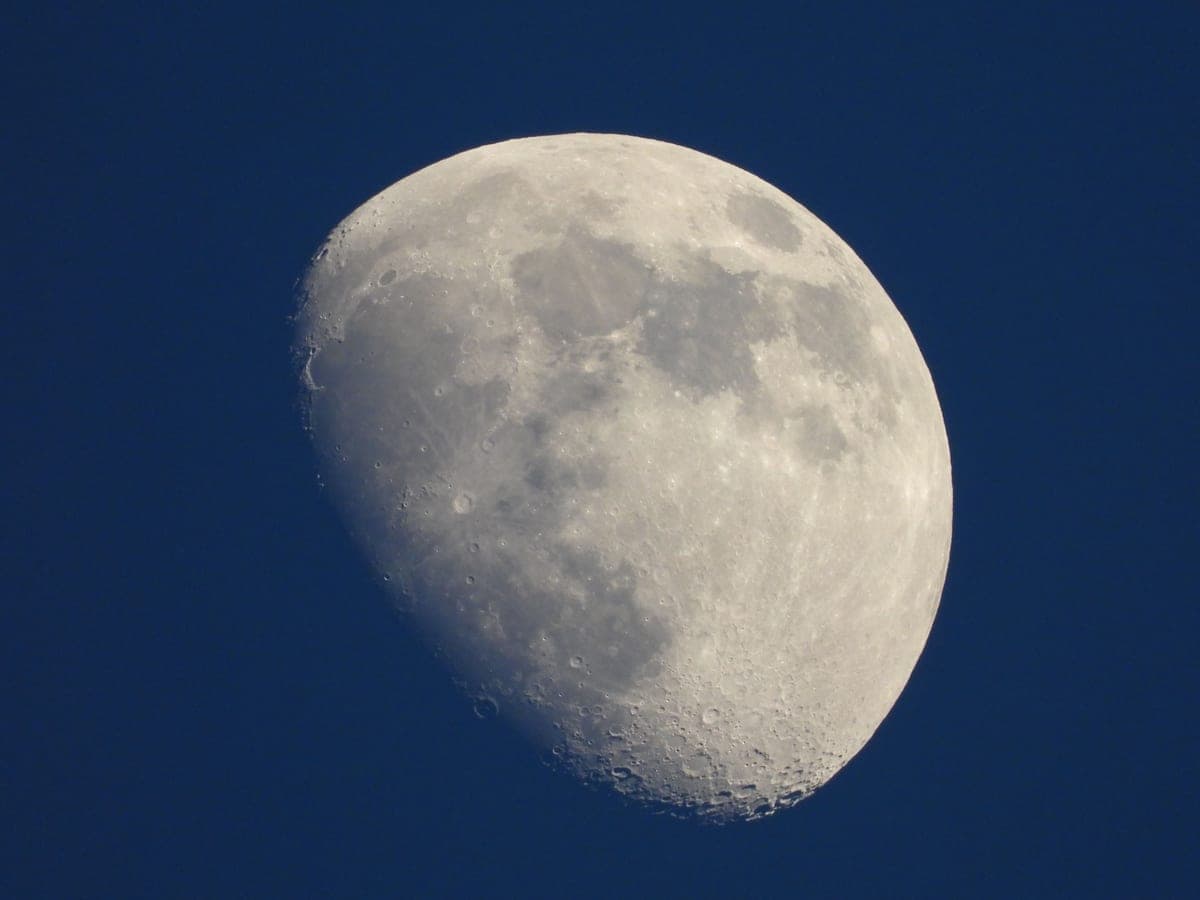
If the request is for one telescope that shows both planets and galaxies, or one for a teenager rather than a young child, those pages take the question on directly. Before you buy anything, it is worth five minutes on what a kid's telescope can actually show. Saturn through a $90 telescope is a small, sharp, unmistakable oval with rings — genuinely thrilling, and nothing like the photograph on the box. Knowing that in advance is the difference between delight and disappointment on the first clear night.
Everything in this section
38 pages under telescopes

Best for ages 11-12
The best telescope for an 11 or 12 year old
At eleven and twelve the child is the limiting factor no longer. Picks chosen on aperture and on what they will not outgrow in a year.
Top pick: Celestron StarSense Explorer 114mm Tabletop Dobsonian
Best for teenagers
The best telescope for teens
Above about 13 the weight limits and patience limits that shape our age pages stop applying. What to buy when the telescope has to keep up with the person for years.
Top pick: Sky-Watcher Heritage 130 Tabletop Dobsonian
Best under $500
The best telescopes under $500
Between $200 and $500 you can have aperture, a parabolic mirror, or guided finding — but not all three. What each choice costs, and who should make which.
Top pick: Sky-Watcher Heritage 130 Tabletop Dobsonian
Best all-rounder
The best telescope for viewing planets and galaxies
Planets want magnification and contrast; galaxies want aperture and a wide field. The trade explained with published numbers, and the telescopes that split the difference honestly.
Top pick: Sky-Watcher Heritage 130 Tabletop Dobsonian
26
Barlow lens for a telescope: the arithmetic before the purchase
One number decides whether a Barlow helps or hurts: your shortest eyepiece, multiplied, against the telescope's published ceiling. Work it out first, then buy.
Top pick: Celestron Omni 2x Barlow Lens
$41.95 on Amazon#ad How we’re funded · price as of October 18, 2026
Best under $300
Best telescopes under $300
Under $300 buys 130mm — nearly three times the light of the best telescope on our under-$100 page. Which of the four to buy depends on mirror figure, mount, and how much of the ceiling is actually in the box.
Top pick: Sky-Watcher Heritage 130 Tabletop Dobsonian
Best tabletop
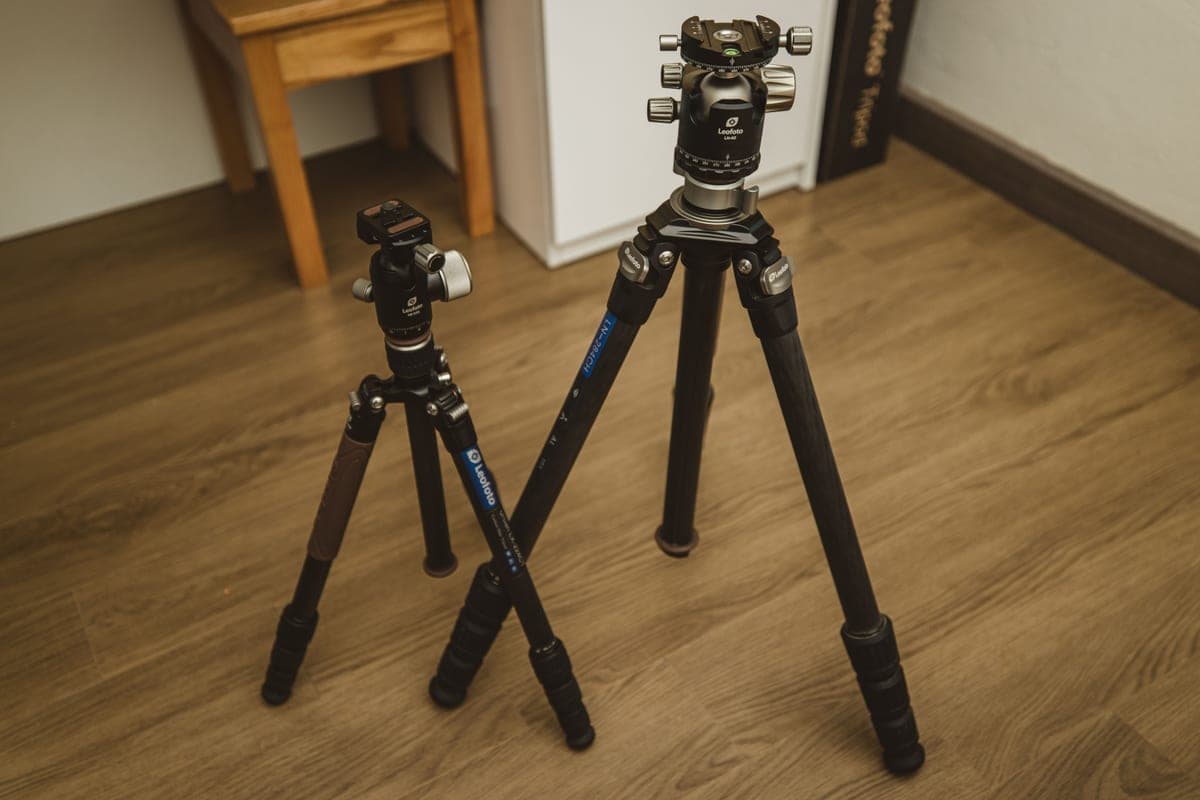
Tabletop or tripod? The choice your garden makes for you
A tabletop reflector buys more aperture for the money and needs a solid surface. A tripod telescope stands anywhere and costs you glass. Which one your garden allows.
Top pick: Celestron StarSense Explorer 114mm Tabletop Dobsonian
14
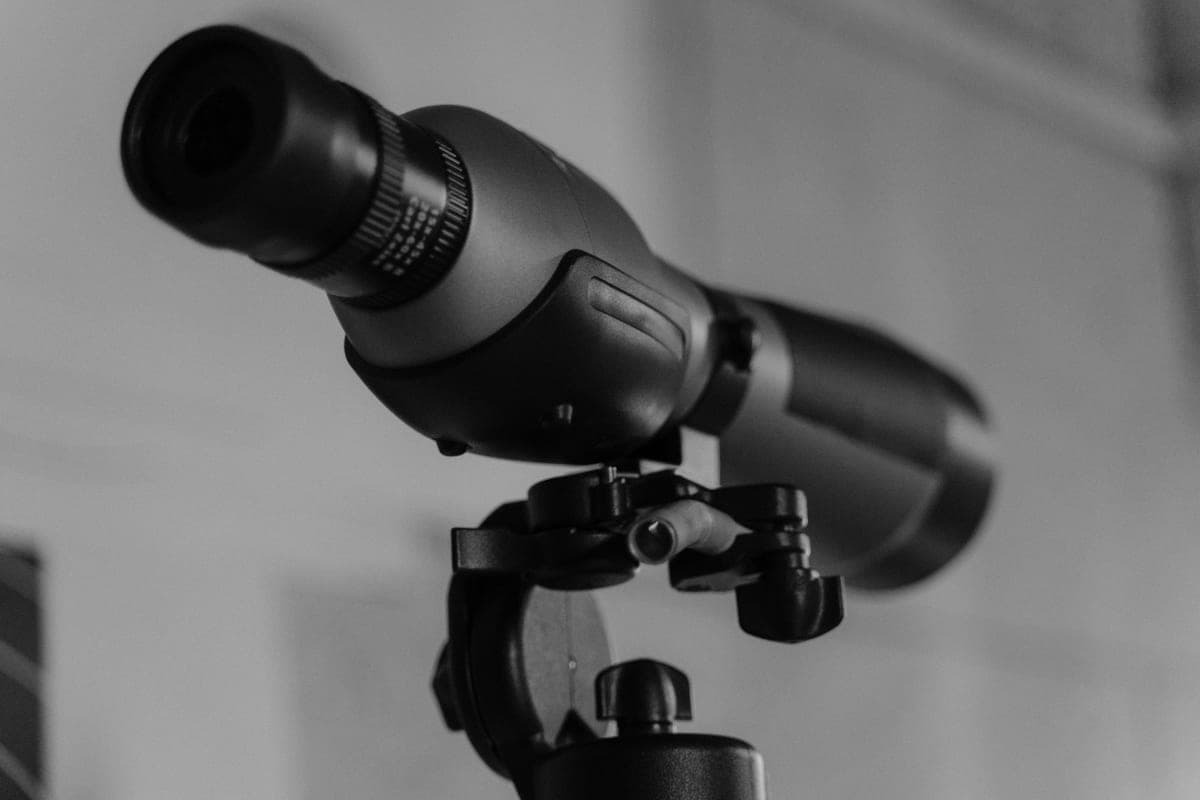
Sky-Watcher Heritage 130 review
130mm of parabolic mirror that collapses for storage. The biggest single jump in what a child can see, and the planning problem that comes with it.
Top pick: Sky-Watcher Heritage 130 Tabletop Dobsonian
17
Refractor or reflector for a child?
Mirrors are cheaper per millimeter of aperture; lenses never need aligning. Which trade suits which child, with the arithmetic on both.
Top pick: Celestron StarSense Explorer LT 70AZ
18
Celestron StarSense Explorer 114mm review
114mm of parabolic mirror plus phone-guided finding — the telescope we recommend more than any other here. What that combination buys, and the one thing it demands.
Top pick: Celestron StarSense Explorer 114mm Tabletop Dobsonian
23
Celestron StarSense Explorer DX 130AZ review
130mm f/5 parabolic optics with phone guidance and dual-axis slow-motion controls, at 18 lbs. The arithmetic on what the box reaches, and the two cheaper routes to the same mirror.
Top pick: Celestron StarSense Explorer DX 130AZ
$499.95 on Amazon#ad How we’re funded · price as of October 18, 2026
31
What to stand a tabletop Dobsonian on
Tabletop Dobsonians give the most aperture per dollar and arrive without anything to stand on. The dedicated Celestron tripod, what it fits, and the cheaper answers that work.
Top pick: Celestron Tripod for StarSense Explorer Tabletop Dobsonians
Most aperture
Sky-Watcher Heritage 150 review
150mm f/5 parabolic optics on a collapsible tabletop base. The aperture arithmetic against the Heritage 130 — including where our figure and Sky-Watcher's disagree — and what the maker leaves unpublished.
Top pick: Sky-Watcher Heritage 150 Tabletop Dobsonian






Questions people actually ask
- What is the best telescope for kids?
- For most families it is a 70mm refractor on a steady tripod, or a 76mm to 114mm tabletop reflector — enough aperture to show the Moon in detail, Jupiter's moons and Saturn's rings, light enough for a child to handle, and cheap enough that a change of interest is not a disaster. Our full reasoning is in the age bands.
- What makes a telescope good for a child specifically?
- Weight they can carry, a mount that does not wobble when they touch it, and a way to find things that does not require an adult. Advertised magnification is not on that list and is usually a warning sign — see toy brands versus real optics.
- How much should I spend on a kid's telescope?
- Under about $60 you are usually buying a toy. Between $80 and $150 you can get genuinely usable optics on a workable mount. Above $200 you are buying aperture and a better tripod — our picks in that band are on telescopes under $300. We break the bands down on how much to spend.
- Is a reflector or a refractor better for a kid?
- Refractors need no maintenance and are more forgiving of rough handling, which suits younger children — and a slow one like the AstroMaster 70AZ at f/13 shows almost no false color. Reflectors give more aperture per dollar but the mirror needs occasional alignment. We compare the designs in full on refractor vs reflector for kids, and the practical trade-offs on tabletop versus tripod.
- Can a kid's telescope see planets?
- Yes, and this is the part worth managing expectations on. Jupiter shows as a small disc with up to four moons in a line; Saturn shows its rings clearly at around 50x and up; Mars is usually a bright orange dot. All real, all visible, none of them like the poster. Full detail on what you can actually see.
Sources
The rest of the site
Other sections
- Star Projectors
The split nobody explains: real star fields versus colored light shows.
- Binoculars
Cheaper, easier, and they work on night one. The case for starting here.
- Gifts
The same picks, re-sorted for a person shopping for a present rather than a telescope.
- Guides
What goes wrong on night one, and how to be the household where it does not.