Hub 04
Gifts for the kid who is into space
The same picks, re-sorted for a person shopping for a present rather than a telescope.

By Scooter M. · published September 1, 2026
I'm not an astronomer and I don't have a lab. I'm someone who's genuinely into this — I read the manuals, compile the published specs, and do the arithmetic the box doesn't do for you. No lab coat. How we pick.
How this is funded. Lens & Lightyear earns a commission when you buy through a link on this page, at no extra cost to you. It does not change which products we pick or what we say about them — every card below carries a real reason to skip it. Prices are pulled live and were last verified October 18, 2026. Full disclosure.
If you only read one line
Our top pick here is the Celestron Cometron 7x50
Exit pupil is objective divided by magnification: 50 / 7 = 7.1mm, which matches Celestron's published figure. That is the single most useful number here. A fully dark-adapted young pupil opens to around 7mm, so a child uses nearly all of that 7.1mm cone and the view is as bright as the optics can make it. An adult over about forty typically dilates to 5mm or less and simply cannot use the extra — this is one of the rare cases where a child gets more out of the hardware than the grown-up does.
This hub exists because of a mismatch. Most people arriving here are not shopping for a telescope. They are shopping for a present, for a specific child, with a number in their head and a date in three weeks. Those are different problems, and organizing everything by optical design does not solve the second one.
So this section re-slices the same recommendations by the two things a gift buyer actually knows: how old the child is, and how much they want to spend.
The one question that decides everything
Ask whether the child is interested in space, or interested in the idea of space. Both are real and both deserve a good present, but they want opposite gifts. Genuine interest is served by optics that show real things. Aesthetic interest is served by a projector, a poster, a book — something that makes their room feel like the thing they love.
Getting this wrong is the most common way an expensive astronomy gift disappoints. A child who loves the *look* of space — the posters, the colors, the nebula photographs — opens a telescope, points it at a small gray Moon, and quietly concludes that real space is worse. A child with genuine curiosity opens a color-changing galaxy light and works out within a day that it is not showing them anything.
| If the child... | The gift that lands | Where to look |
|---|---|---|
| Asks questions about planets and how far away things are | Real optics — a telescope or astronomy binoculars | First telescope |
| Loves space imagery, wants an amazing bedroom | A projector, and no apology for it | Star projectors |
| Is very young but obsessed with rockets and stars | A planetarium projector plus something to hold | Projectors for toddlers |
| Already has a telescope | The accessories that fix its actual problems | Stargazing extras |
| You genuinely do not know | Binoculars. They work in daylight too, so they cannot miss entirely. | Binoculars |
Budget, honestly
Under $50 gets you a real pair of astronomy binoculars, a decent decorative projector, or a good book. It does not get you a usable telescope, and we will not pretend otherwise — the sub-$50 telescope shelf is where the 525x claims live. Gifts under $50 covers what that money genuinely buys.
Between $80 and $200 is where the category actually works: 70mm refractors on real tripods, tabletop reflectors with genuine aperture, and optical planetariums that project real constellations. If you have this to spend, you can buy something a child will still be using next year.
Above $250 you are buying aperture and, if you want it, phone-guided finding. Worth it for an older child who has already shown they will go outside in the cold. Wasted on a seven-year-old who mentioned Saturn once. We work the bands through in how much to spend.
What we will not do on this hub
- No gendered picks. The searches exist — plenty of people type *telescope for a 10 year old boy* — but a telescope has no gender and splitting our recommendations by one would be dishonest merchandising. The age pages answer those searches properly.
- No countdown pressure. No stock warnings, no *only 3 left*, no deal timers. We are a publisher, not a store, and manufactured urgency is exactly the posture we are competing against.
- No stale prices. Where our live price layer has a figure, you see it with the date it was checked. Where it does not, the button says *Check price* and takes you to the retailer. We would rather show nothing than a number from three months ago.
And one thing we will do: tell you when the answer is to spend less. A $40 pair of binoculars plus a free star app is, for a lot of eight-year-olds, a better present than a $150 telescope. If that is the honest recommendation for the child you are buying for, that is what you will find on the page.
Everything in this section
10 pages under gifts

Best by age
Astronomy gifts for kids, by age
The whole site re-sorted for someone who knows the child's age and nothing else about telescopes. One pick per band.
Top pick: National Geographic Astro Planetarium

Best for the obsessed
Gifts for the kid who is obsessed with space
The one question that decides which space gift lands, and four picks split across the answer.
Top pick: Sega Toys Homestar Flux
$259.00 on Amazon#ad How we’re funded · price as of October 18, 2026
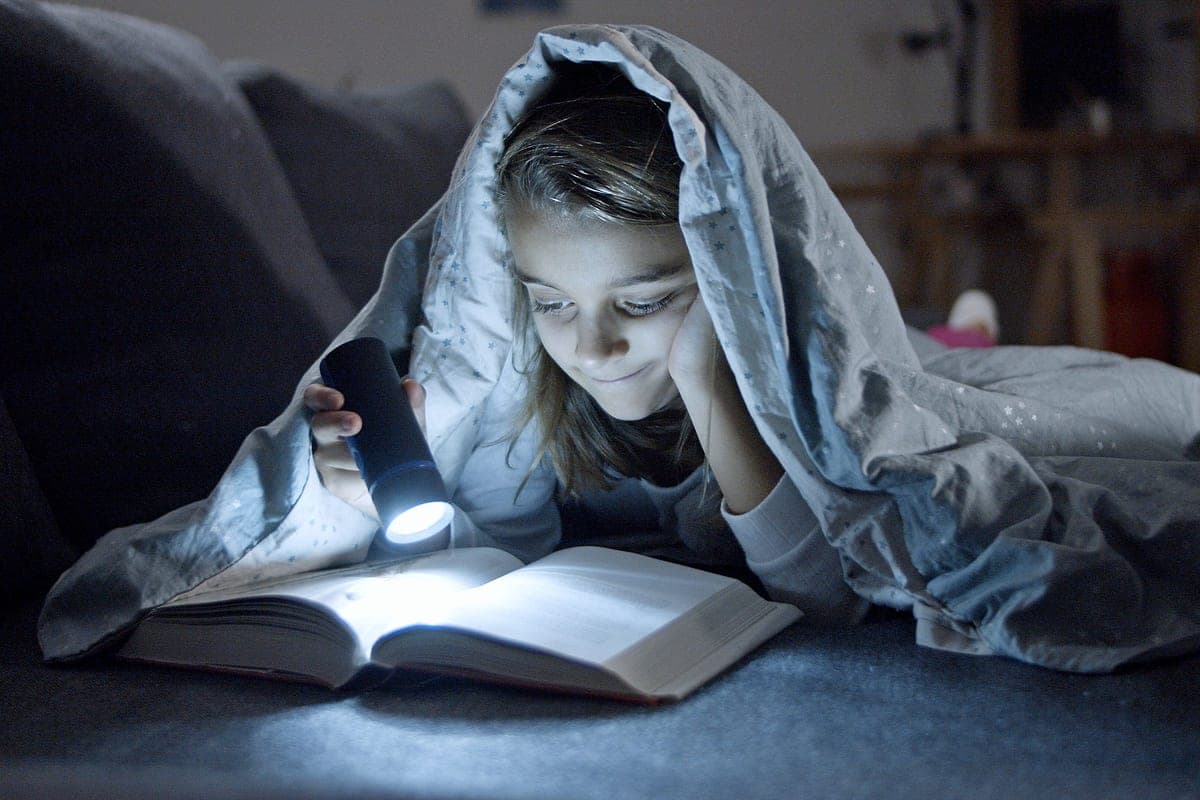
Best add-on
What to buy a kid who already has a telescope
A telescope's real problems are dark adaptation, steadiness and knowing where to point it. None of them cost much to fix.
Top pick: Celestron Night Vision Red Headlamp

06
The best telescope for kids and adults to share
A telescope bought for a child that an adult will also want to use. What shared ownership demands, and the three that genuinely deliver it.
Top pick: Sky-Watcher Heritage 130 Tabletop Dobsonian
32
Smartphone telescope adapters: which one fits, and what it will really photograph
Eyepiece clamp range is the spec that decides fit, and almost nobody checks it. The two Celestron adapters compared, plus an honest account of what a phone can and cannot capture.
Top pick: Celestron Smartphone Adapter DX Kit





Questions people actually ask
- What is a good space gift for a kid who loves astronomy?
- For genuine interest, real optics: astronomy binoculars if the budget is under $60, a 70mm refractor or a tabletop reflector above that. For aesthetic interest, an optical planetarium projector. Start on gifts by age.
- What can I get for a space-obsessed kid under $50?
- A real pair of 7x50 astronomy binoculars, a decorative star projector, or a proper star atlas plus a red torch. Not a telescope — see gifts under $50 for why.
- Is a telescope a good gift for a 10 year old?
- Often yes, and ten is roughly where a child can set one up and find things alone. The picks and the reasoning are on telescopes for ages 9-10.
- What do you get someone who already has a telescope?
- The things that fix its real problems: a red torch that preserves dark adaptation, a better low-power eyepiece, a star atlas that lies flat. See stargazing extras.
The rest of the site
Other sections
- Telescopes
Four age bands, two budget gates, and the honest arithmetic behind every pick.
- Star Projectors
The split nobody explains: real star fields versus colored light shows.
- Binoculars
Cheaper, easier, and they work on night one. The case for starting here.
- Guides
What goes wrong on night one, and how to be the household where it does not.