Hub 03
Binoculars: the honest answer before a first telescope
Cheaper, easier, and they work on night one. The case for starting here.
By Scooter M. · published September 1, 2026
I'm not an astronomer and I don't have a lab. I'm someone who's genuinely into this — I read the manuals, compile the published specs, and do the arithmetic the box doesn't do for you. No lab coat. How we pick.
How this is funded. Lens & Lightyear earns a commission when you buy through a link on this page, at no extra cost to you. It does not change which products we pick or what we say about them — every card below carries a real reason to skip it. Prices are pulled live and were last verified October 18, 2026. Full disclosure.
If you only read one line
Our top pick here is the Celestron Cometron 7x50
Exit pupil is objective divided by magnification: 50 / 7 = 7.1mm, which matches Celestron's published figure. That is the single most useful number here. A fully dark-adapted young pupil opens to around 7mm, so a child uses nearly all of that 7.1mm cone and the view is as bright as the optics can make it. An adult over about forty typically dilates to 5mm or less and simply cannot use the extra — this is one of the rare cases where a child gets more out of the hardware than the grown-up does.
We make more money if you buy a telescope. We are telling you to consider binoculars anyway, because for a large number of the families reading this it is the better first purchase, and because a site that only ever recommends upward is not one you should trust.
Why binoculars first is a real recommendation, not a hedge
A decent pair of 7x50 binoculars costs less than the cheapest usable telescope, needs no assembly, works the moment it comes out of the case, and shows the Moon's craters, four moons of Jupiter, the Pleiades and the Andromeda galaxy. Almost every failed first telescope would have been a successful first pair of binoculars.
The failure mode of a first telescope is specific and predictable. The child cannot find anything, because a telescope shows a very small piece of sky at high magnification and finding things in it is a learned skill. Binoculars show a wide field at low power, so pointing them at something and seeing that thing is immediate. That single difference is why the binocular gets used all summer and the telescope gets used twice.
The two numbers on the front, and what they mean
Every pair is labeled with something like 7x50 or 10x42. The first number is magnification. The second is the diameter of the front lenses in millimeters, which sets how much light they collect. Bigger is brighter and heavier; more magnification is more detail and more shake.
If the budget is the binding constraint, stargazing binoculars under $50 is the short version of this hub. The number that actually decides which pair suits a child is neither magnification nor objective size. It is exit pupil, and you calculate it yourself: objective divided by magnification. A 7x50 gives 50 / 7 = 7.1mm. A 10x42 gives 4.2mm. The same arithmetic decides 8x42 against 10x42, and it sets the order of our picks under $100.
| Spec | Exit pupil | Weight class | Best for |
|---|---|---|---|
| 7x50 | 7.1mm | Heavy (around 27 oz) | Stargazing. The classic astronomy pair. |
| 10x50 | 5.0mm | Heavy (around 27 oz) | Moon detail, if the child can hold them steady. |
| 8x42 | 5.3mm | Medium | A genuine all-rounder for older kids. |
| 8x32 | 4.0mm | Light (around 18 oz) | Daylight and casual use. Dimmer at night. |
| 4x30 | 7.5mm | Very light (under 5 oz) | Small children. Bright, but very low power. |
Full working and the practical trade-offs are on 7x50 versus 10x42 and binoculars for stargazing.
Weight is the constraint nobody plans for
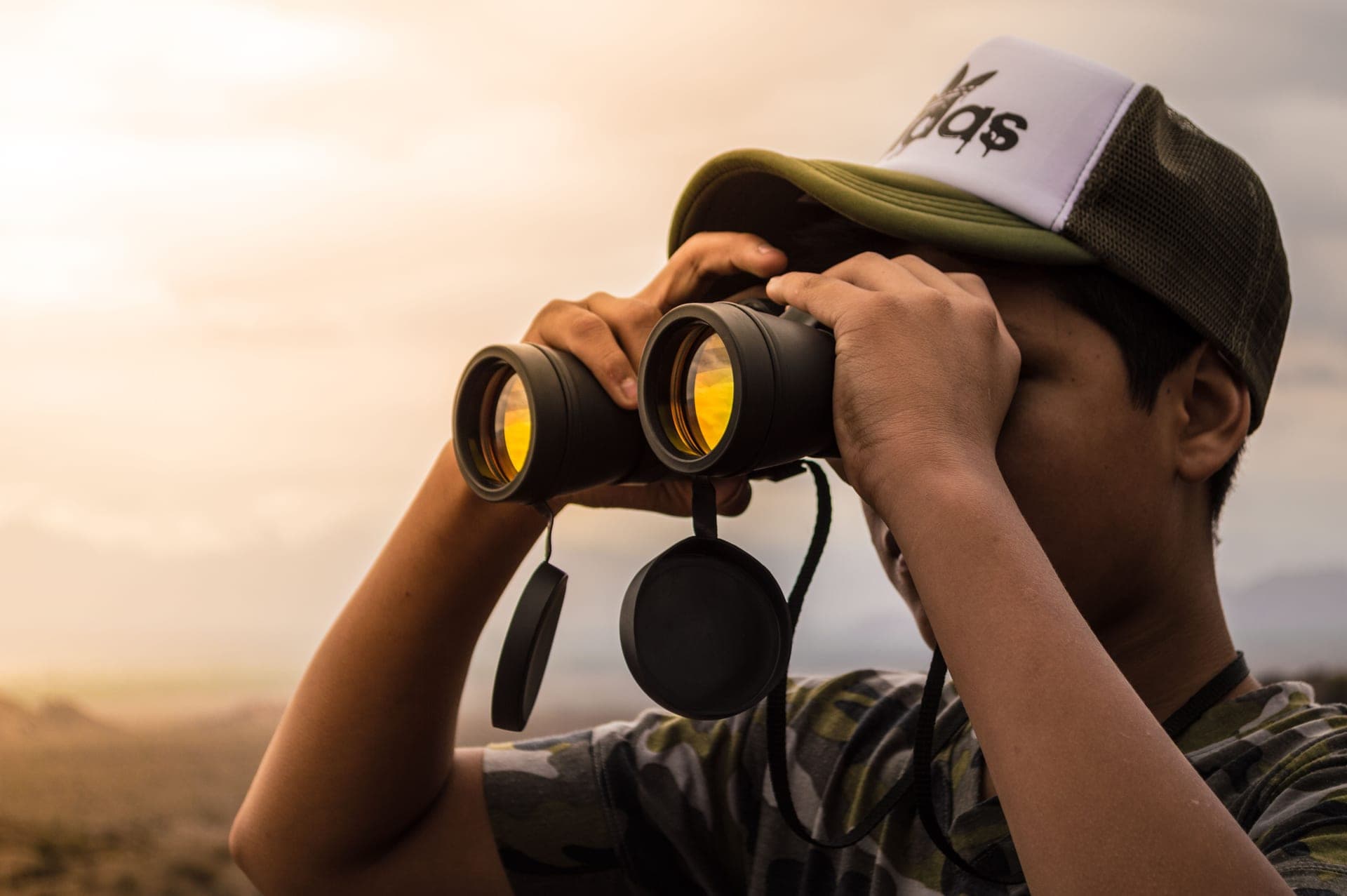
A 7x50 weighs around 27 ounces — a pound and three quarters, held above your head, looking up. An adult manages a couple of minutes. A seven-year-old manages considerably less, and then the view shakes, and then they put them down.
There are three honest ways round it: lie on a blanket and rest your elbows on the ground; lean against a wall or a car; or use the tripod thread that almost every astronomy binocular has and almost nobody uses — which adapter and tripod you need takes five minutes to get right, and it is compulsory on the giant 20x80 and 25x100 pairs, every one of which is ranked on which SkyMaster should you buy — including the 7.7 lb Pro ED 20x80 at the top of the range. The one exception is the Pro ED 7x50, the only SkyMaster light enough and low-powered enough to use in the hand — while the Pro ED 15x70 is the cautionary case, costing more than its non-ED twin and arriving without the adapter. Any of the three turns a frustrating five minutes into a comfortable half hour, and none of them costs anything. We cover the age-by-age reality on binoculars by age.
The daylight argument
A telescope is an astronomy instrument and nothing else. Binoculars work on birds, on a football match, on a walk, on a holiday, and on the Moon. That matters for a gift, because the thing that gets picked up on an ordinary afternoon is the thing that stays interesting — see birds and stars for the pairs that genuinely do both, and the Nature DX ED 10x50 for the one that focuses closest while still reaching magnitude 11.
If you already know a telescope is what you want, our telescope hub is sorted by age. If you are still deciding between the three kinds of gift in this category, start with telescope versus binoculars versus projector.
Everything in this section
23 pages under binoculars
Best by age
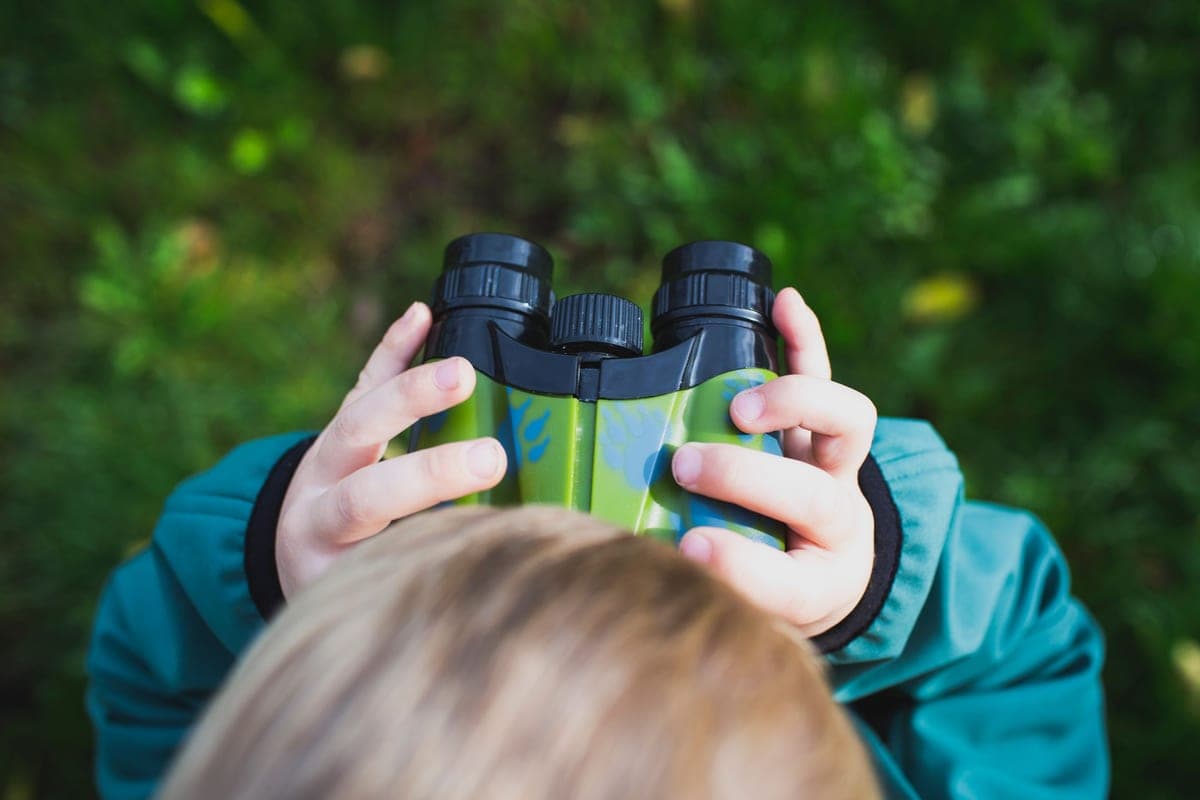
Binoculars for kids, by age
What a child can physically hold at each age, and which published weight and eye-relief figures to check before buying.
Top pick: Celestron Celestron Kids 4x30
$9.95 on Amazon#ad How we’re funded · price as of October 18, 2026

Best all-rounder
One pair for birds and stars: what to give up
Birding and astronomy want opposite specifications. What a single pair can honestly do, and which compromise suits a child best.
Top pick: Celestron Nature DX 8x32
$90.97 on Amazon#ad How we’re funded · price as of October 18, 2026
06
Celestron Nature DX 8x32 review
A third lighter than a 7x50, waterproof, and it focuses down to 6.5 feet. What that buys by day, and exactly what it costs you at night.
Top pick: Celestron Nature DX 8x32
$90.97 on Amazon#ad How we’re funded · price as of October 18, 2026
07
Celestron UpClose G2 10x50 review
Same 50mm objectives as the Cometron, at 10x instead of 7x. More detail, less light, and a shake that children feel more than adults do.
Top pick: Celestron UpClose G2 10x50
$64.53 on Amazon#ad How we’re funded · price as of October 18, 2026
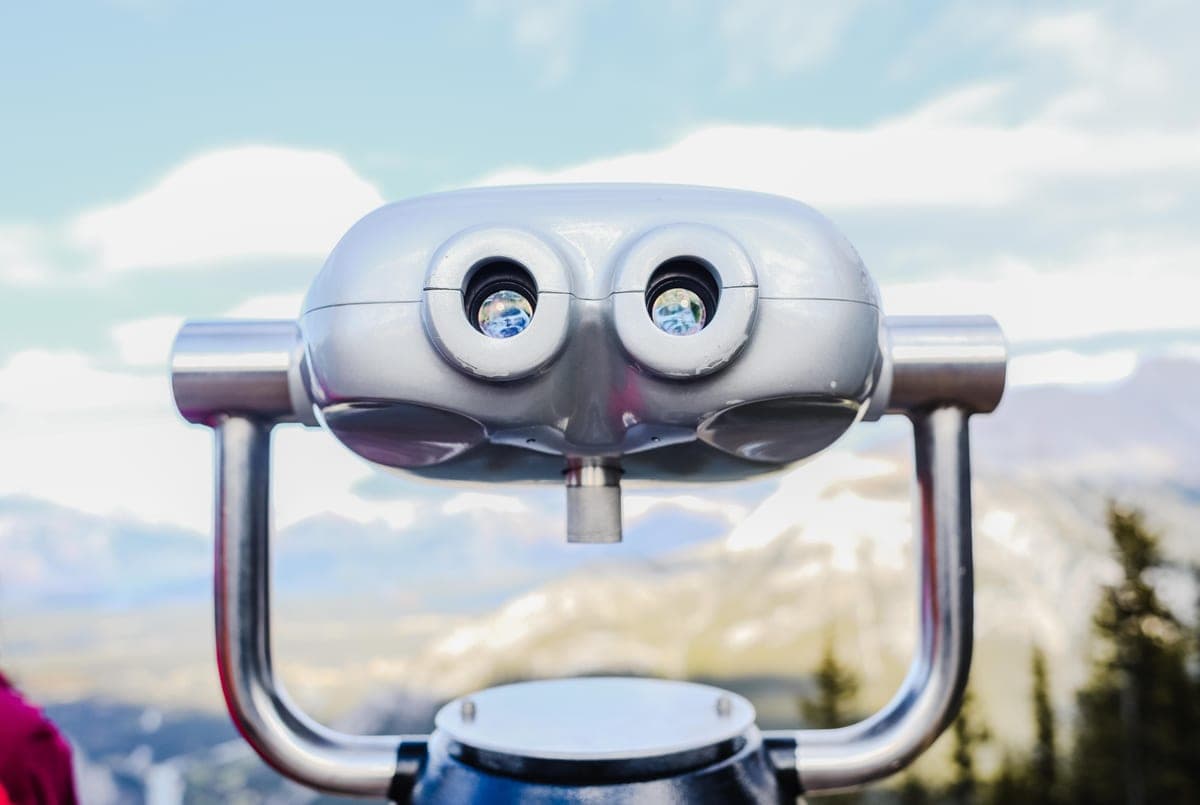
27
Putting binoculars on a tripod: adapter, tripod, and the height nobody checks
The cheapest fix for the most common binocular disappointment. Which binoculars accept an adapter, what tripod height actually matters for looking up, and what this will not fix.
Top pick: Celestron Binocular Tripod Adapter
46
Celestron SkyMaster Pro ED 20x80 review
Top of the SkyMaster line. Every published light figure matches the cheaper Pro 20x80 exactly, because it is the same 20x on the same 80mm — so what you are buying is color correction, for 43 percent more weight and no sight rail.
Top pick: Celestron SkyMaster Pro ED 20x80
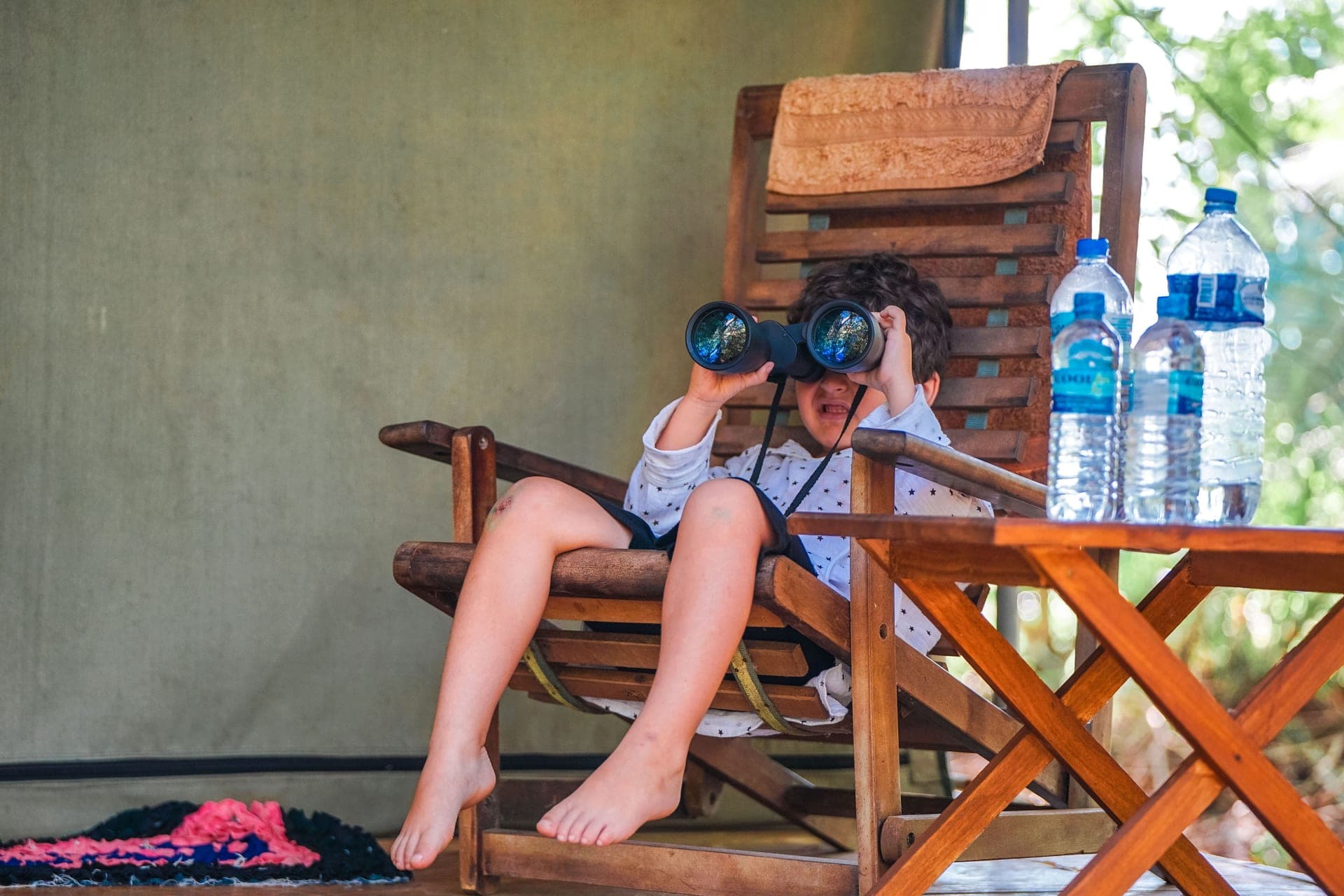
48
Celestron Nature DX ED 10x50 review
A 10x50 with ED glass, phase-coated BaK-4 roof prisms and 17.8mm of eye relief. The exit pupil is identical to a 10x50 costing a quarter as much, so this is a comfort and durability upgrade, not a brightness one.
Top pick: Celestron Nature DX ED 10x50
$269.95 on Amazon#ad How we’re funded · price as of October 18, 2026
49
Celestron SkyMaster Pro ED 15x70 review
The last SkyMaster we had not reviewed. It adds ED glass and a published limiting magnitude of 11.73, and it costs about 11 percent more than the non-ED Pro 15x70 while weighing 44 percent more and dropping both the tripod adapter and the reflex sight rail.
Top pick: Celestron SkyMaster Pro ED 15x70
55
Celestron Kids 4x30 review
4.7 oz, a 7.5mm exit pupil and a price below almost anything else we list. The right first optic for three to six year olds, and honestly not a stargazing instrument.
Top pick: Celestron Celestron Kids 4x30
$9.95 on Amazon#ad How we’re funded · price as of October 18, 2026


Questions people actually ask
- At what age can a child use binoculars?
- From around four with a very light, low-power pair, and properly from about seven with a full-size one. The limit is weight and the ability to adjust the spacing between the eyepieces, not eyesight. Detail by age is on binoculars by age.
- Are binoculars safe for children?
- Yes, with one absolute rule: never point them at the Sun, or anywhere near it, ever. Binoculars concentrate sunlight and cause permanent eye damage instantly. This is the one safety rule in the whole hobby and it is worth saying out loud to a child before they take them outside.
- What size binoculars are best for stargazing?
- 7x50 is the classic answer and it is the right one for children, because the 7.1mm exit pupil matches a young dark-adapted eye. 10x50 shows more Moon detail but shakes more. Full comparison on 7x50 versus 10x42.
- Can binoculars really be used for stargazing?
- Yes, and they are the standard recommendation of most astronomy clubs for a beginner. The Moon, Jupiter's four bright moons, the Pleiades, the Orion Nebula and the Andromeda galaxy are all binocular objects. See binoculars for stargazing.
The rest of the site
Other sections
- Telescopes
Four age bands, two budget gates, and the honest arithmetic behind every pick.
- Star Projectors
The split nobody explains: real star fields versus colored light shows.
- Gifts
The same picks, re-sorted for a person shopping for a present rather than a telescope.
- Guides
What goes wrong on night one, and how to be the household where it does not.